
Tone guides, tutorials & deep dives
Expert guides on Kemper, Helix, ToneX, impulse responses, EQ, and everything else that shapes your guitar and bass tone.
Check Out Our Shop
ToneX Best Settings for Metal: How to Get Tight High-Gain Tones
This guide covers how to optimize ToneX for metal — from amp model selection and gain staging to the single most impactful upgrade you can make: replacing the stock cabs with quality impulse responses.
The Headrush Prime Tone Guide: 7 Sounds Every Player Needs
If you've just bought a Headrush Prime (or you're considering one), this guide covers the first things you need to know: how the signal chain works, how to build your first presets, and how to dial in seven essential sounds — from pristine cleans to crushing high-gain metal.
How to Get Metallica’s Guitar Tone on Your Modeler
Recreating Metallica’s tone on a modeler is one of the most common tone-chasing goals for metal guitarists. This guide breaks down the key elements across Metallica’s major tonal eras and shows you how to build each one on the Helix, Kemper, or any IR-capable modeler.
How to Build a Worship Guitar Rig on the Line 6 Helix
This guide covers how to build a worship-ready Helix rig from scratch: amp model selection, essential effects, signal chain order, Snapshot programming for live worship sets, and the specific settings that produce the sounds worship guitarists rely on — from edge-of-breakup rhythm tones to atmospheric pad-like textures.
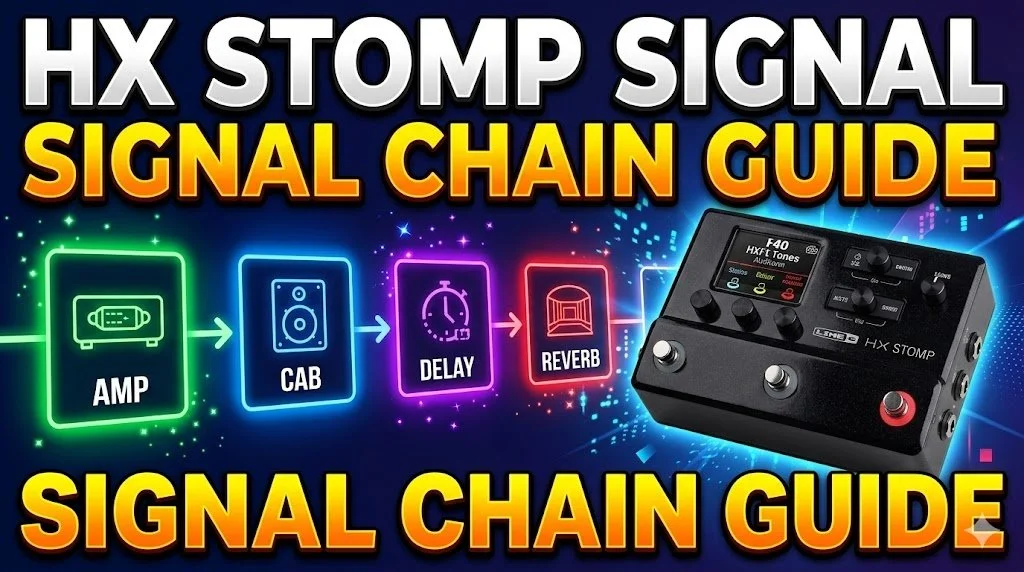
HX Stomp Signal Chain Guide: Getting the Most From 8 Blocks
This guide covers how to structure your signal chain within the 8-block limit, which blocks are essential and which are optional, how to maximize flexibility using Snapshots, and proven signal chain templates for common use cases — from metal rhythm to ambient clean to all-in-one gig presets.
How to Get Periphery’s Guitar Tone on Your Modeler
Periphery’s guitar tone is one of the most sought-after sounds in modern metal. It’s tight, massive, and surgically precise — palm mutes hit like a freight train, leads sing with clarity, and clean passages shimmer with ambient depth. It’s the sound that defined the “djent” movement and continues to influence progressive metal production.
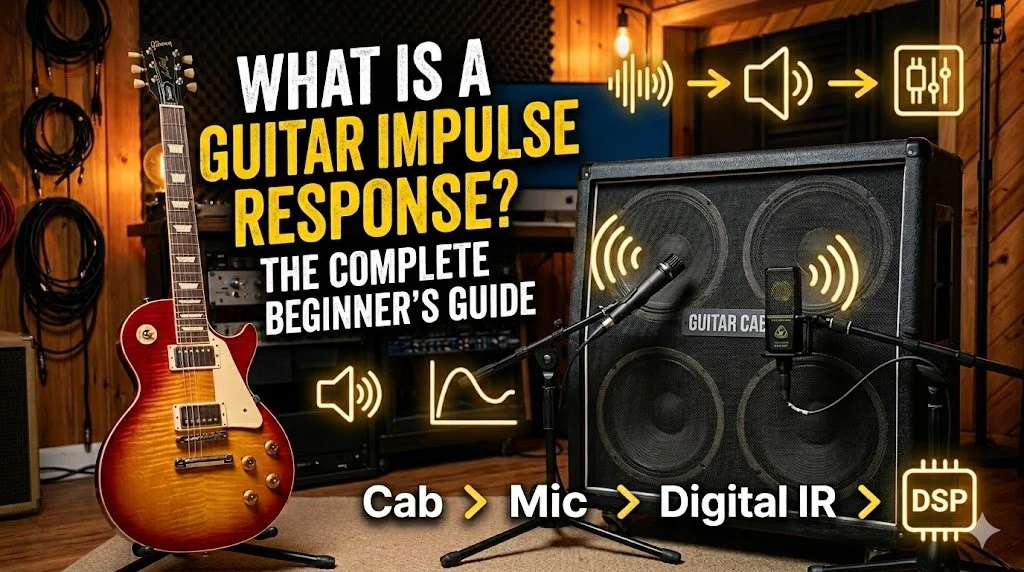
What Is a Guitar Impulse Response? The Complete Beginner’s Guide
This guide explains impulse responses from the ground up: what they are, how they work, why they exist, and how they can improve your guitar tone
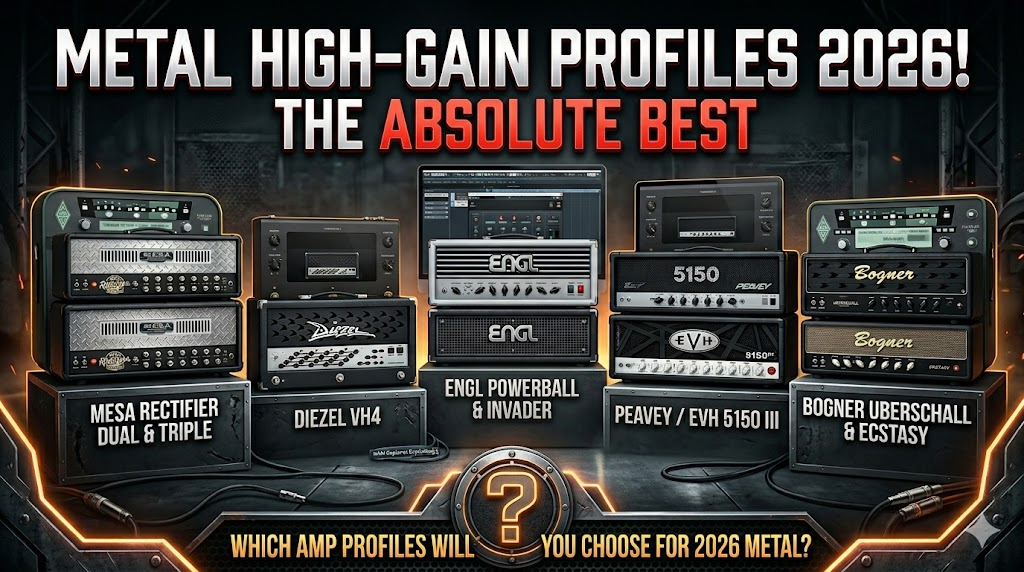
The Best High-Gain Amp Profiles for Metal in 2026
This is a curated guide to the amp profiles, captures, and NAM models that are delivering the best high-gain metal tones right now, across Kemper, ToneX, and NAM platforms.
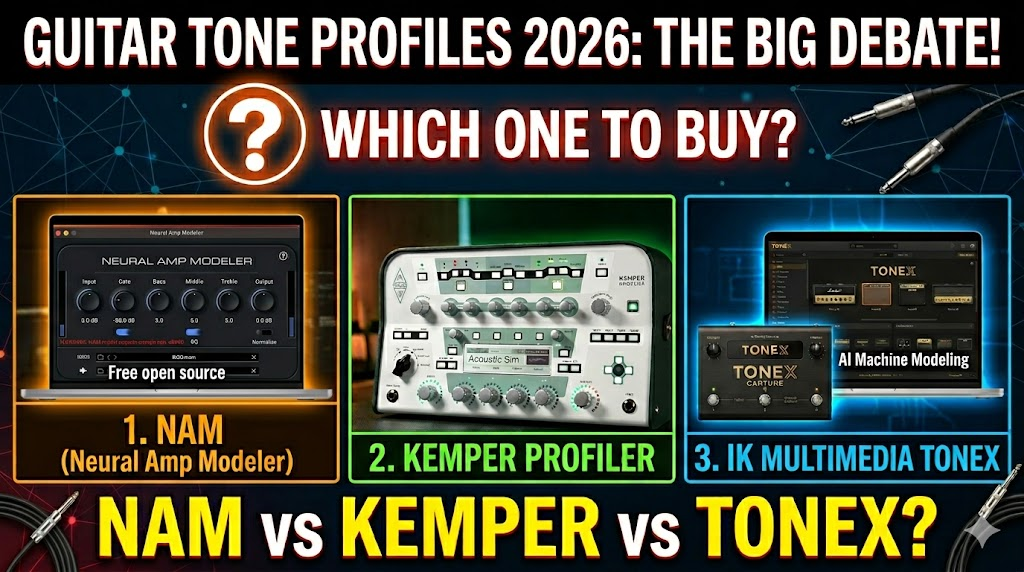
NAM vs Kemper vs ToneX: Which Platform Should You Buy Profiles For in 2026?
This guide breaks down each platform honestly so you can put your money where it actually makes sense for your setup.
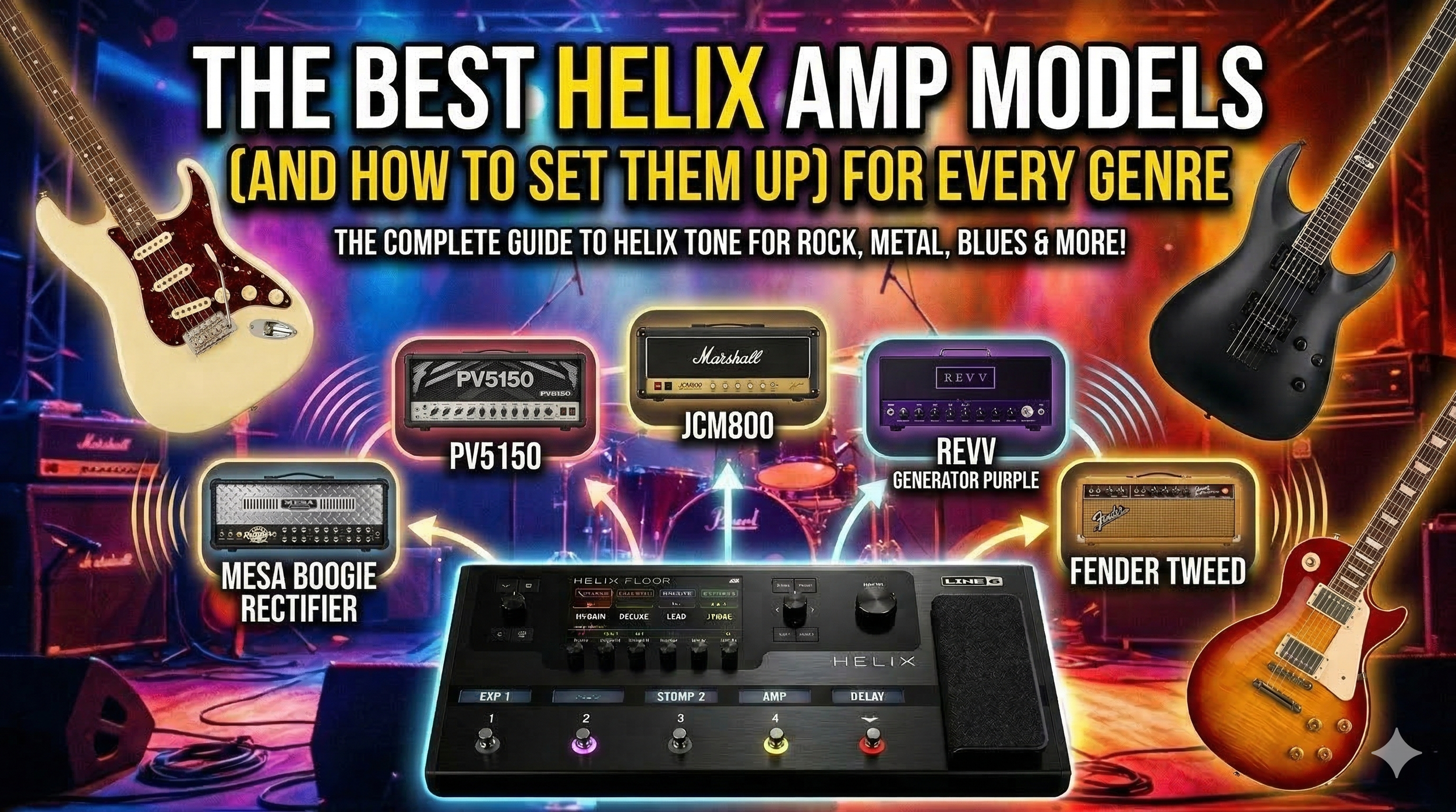
The Best Helix Amp Models (And How to Set Them Up) for Every Genre
This guide covers the amp models that actually matter for the most common playing styles, with exact starting settings you can dial in right now. Every setting assumes you’re running into an FRFR speaker, studio monitors, or direct to PA with a cab/IR block after the amp.
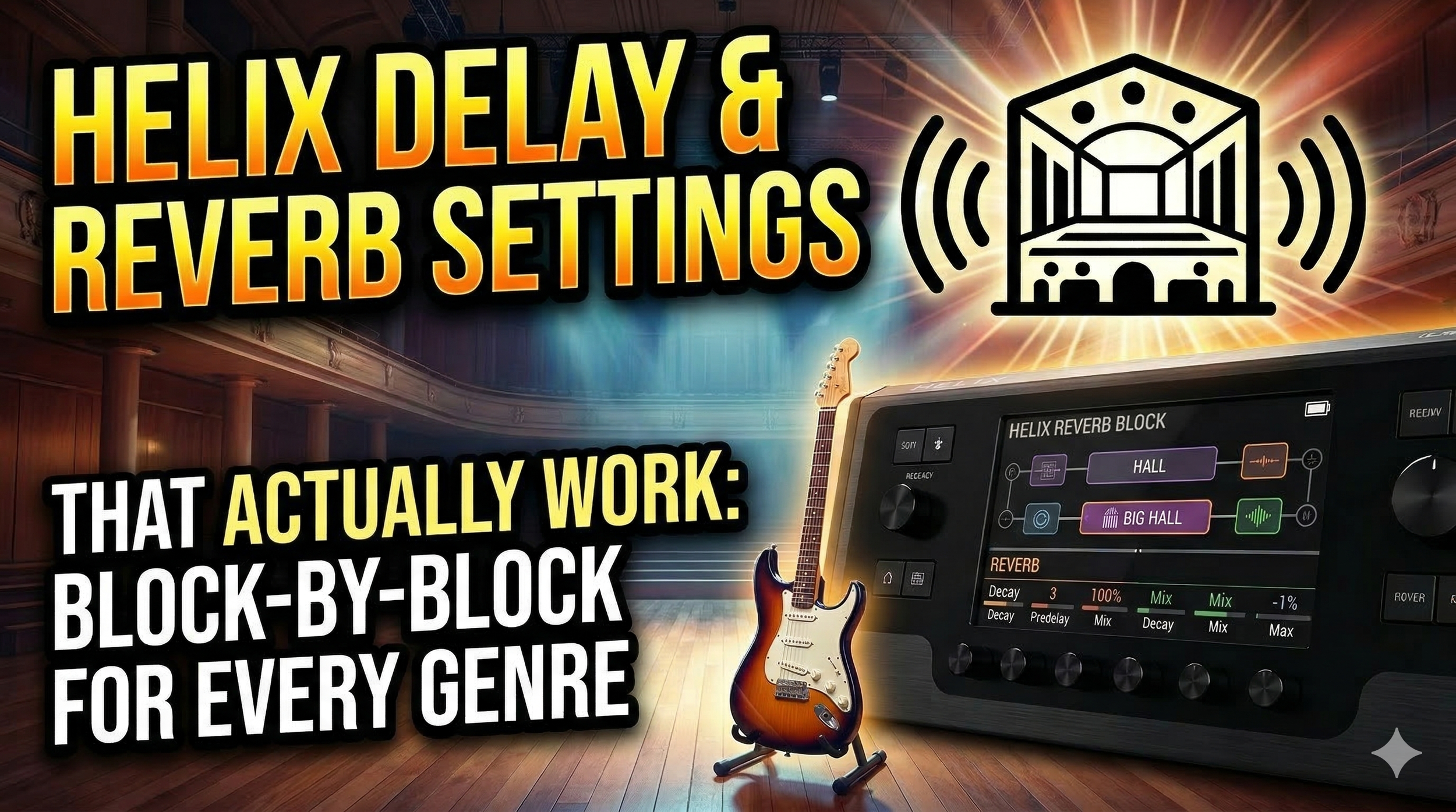
Helix Delay & Reverb Settings That Actually Work: Block-by-Block for Every Genre
This guide gives you specific block names and exact settings for the situations Helix players encounter most. Copy them in, tweak to taste, and play.
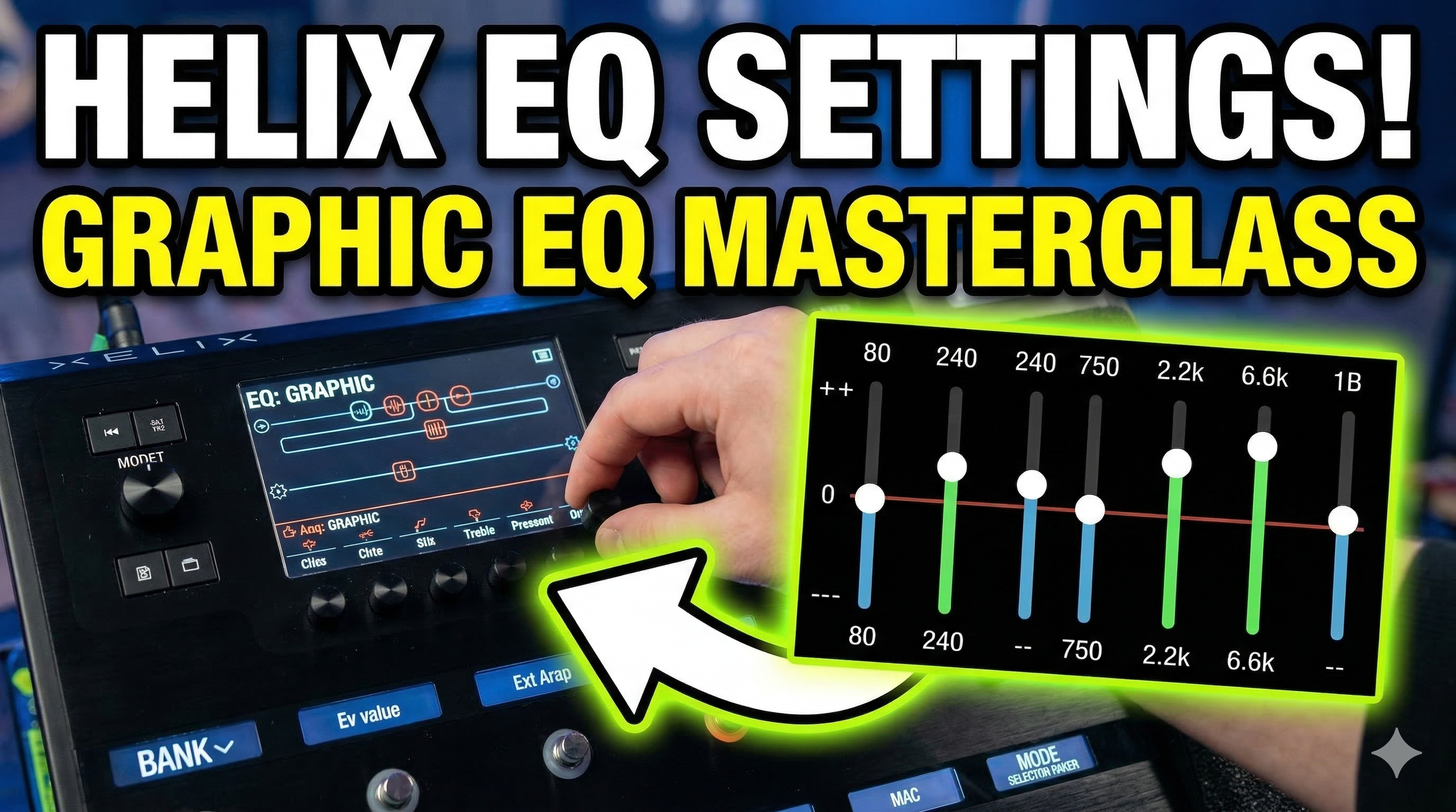
The Helix EQ Cheat Sheet: Exact Settings for Every Situation
This guide gives you exact, copy-paste EQ settings for the most common situations Helix players face. Every frequency, every Q value, every gain amount. Dial these in, adjust to taste, and move on with your life.
Getting Great Bass Tone From Your Modeler
Let’s address the elephant in the room: bass players have always been second-class citizens in the amp modeler world. Let’s change that!
Neural Amp Modeler (NAM): Everything You Need to Know About the Free Amp Modeler That’s Changing Everything
There’s a quiet revolution happening in the guitar world, and it’s being built by hobbyists, open-source developers, and a community of tone obsessives who decided that professional-quality amp modeling shouldn’t cost a fortune.
The Complete Guide to Gigging With an Amp Modeler (Helix, Kemper, ToneX, Fractal & More)
You’ve dialed in tones at home that sound incredible. Through your headphones or studio monitors, everything is polished, punchy, and exactly what you want. Then you take the modeler to rehearsal, plug in, and… it sounds like a different instrument.
Kemper vs ToneX: An Honest Comparison for Guitarists Who Just Want to Play
I’ve spent thousands of hours building presets and profiles for both platforms. This isn’t a spec-sheet comparison. This is what it actually feels like to live with each one.
Why Your Line 6 Helix Sounds Bad (And How to Fix It in 20 Minutes)
The Helix doesn’t sound bad. But it does need you to understand a few things that nobody tells you when you unbox it. Here are the real reasons your Helix sounds off — and how to fix each one without going down a three-week YouTube rabbit hole.
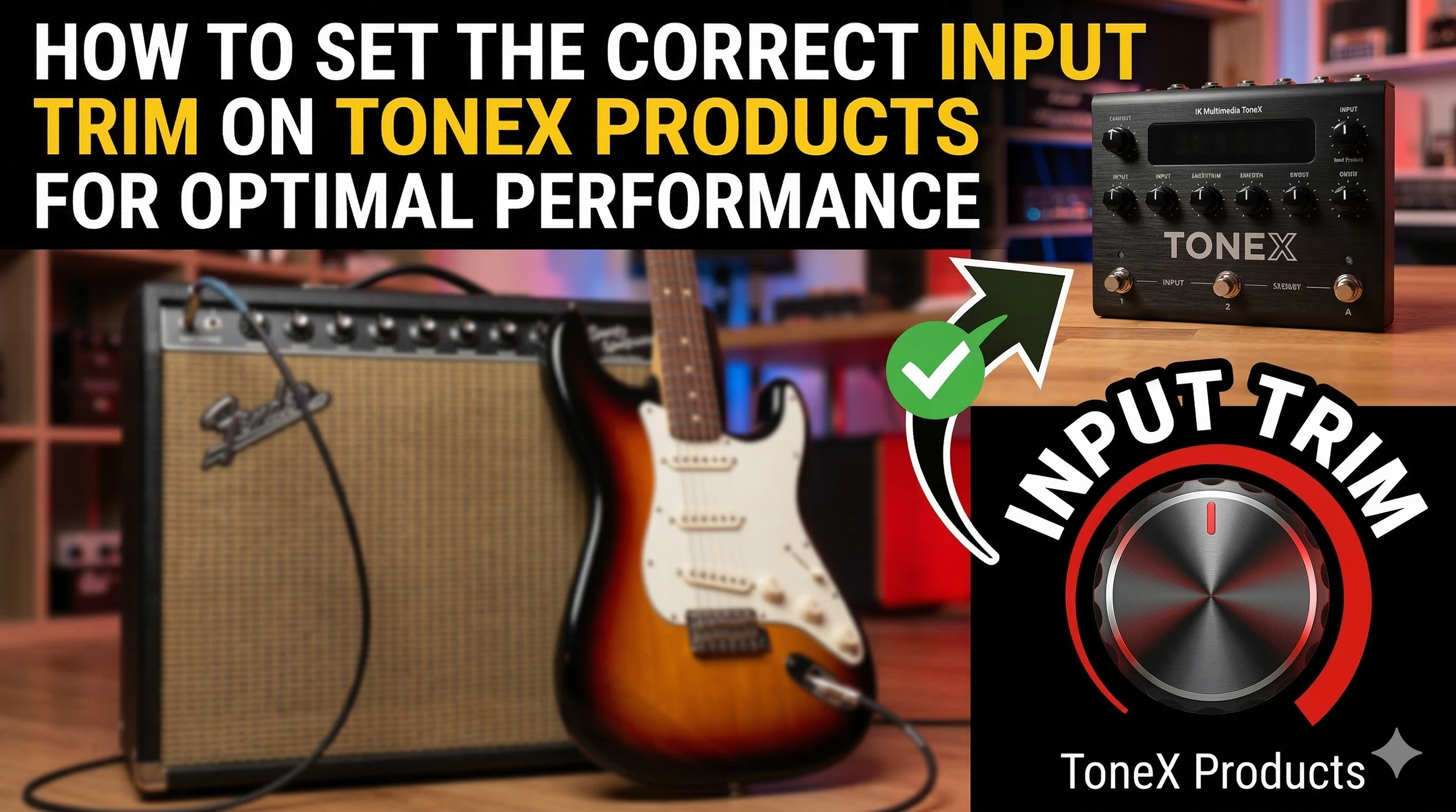
ToneX Input Trim: The One Setting That Changes Everything (And How to Get It Right)
There’s a setting buried three menu levels deep on the ToneX Pedal that has more impact on your tone than any capture, any preset, or any EQ adjustment you’ll ever make. It’s called Global Input Trim, and if you haven’t deliberately set it for your guitar, your ToneX isn’t sounding the way it should.
![How to Use Impulse Responses (IRs) With the Kemper Profiler: The Complete Guide [2026]](https://images.squarespace-cdn.com/content/v1/6400470e4b255d7caae75646/1773745377931-OLH3BXCU0SHC4J7HGFUF/Gemini_Generated_Image_yg5etfyg5etfyg5e+%281%29.png)
How to Use Impulse Responses (IRs) With the Kemper Profiler: The Complete Guide [2026]
If you own a Kemper Profiler, you already know it delivers some of the most realistic amp tones available. But there's a layer of tone-shaping that many players overlook — impulse responses (IRs). Loading third-party IRs into your Kemper can unlock cabinet and speaker voicings that go well beyond the stock simulations, whether you're recording, playing live, or practicing at home.
![How to Profile an Amp With the Kemper Profiler: Step-by-Step Guide [2026]](https://images.squarespace-cdn.com/content/v1/6400470e4b255d7caae75646/1773745733240-LNDGTCV1BTY083S55JBG/Gemini_Generated_Image_b04144b04144b041.png)
How to Profile an Amp With the Kemper Profiler: Step-by-Step Guide [2026]
The Kemper Profiler can digitally capture the sound, feel, and dynamic response of any guitar amplifier — and do it so accurately that most players can't tell the difference between the profile and the real amp. But the quality of your profile depends entirely on how you set up and execute the capture.